Legionella bacteria in a water system is a well-recognised risk to health and safety, so plumbing and heating engineers need to be aware of it – especially those undertaking light commercial or local authority work where risks can be increased if water is stored, says Steve Dunning, Managing Director of Martindale Electric.
Legionella bacteria can occur naturally in freshwater environments, but become a significant health risk when they colonise man-made water systems within buildings.
The conditions most commonly associated with bacterial proliferation include water temperatures between 20°C and 45°C and stagnant or slow-moving water, but also inadequate system maintenance and inspection.
To this end, legionella regulations in the UK include the Health and Safety at Work Act, highlighting risks from legionella bacteria arising from job activities; the Management of Health and Safety at Work Regulations; and the Control of Substances Hazardous to Health (COSHH) which provide a framework of actions designed to reduce the risk from bacteria like Legionella. The requirements include regular risk assessments for water systems, control measures, regular monitoring, and keeping records – all guided by the HSE’s Approved Code of Practice (L8).
Despite this, cases of Legionnaires’ continue to make headlines, because although often associated with poorly designed and maintained water supply systems, the potential sources of contamination extend beyond conventional plumbing installations. Cooling systems, humidifiers, infrequently used outlets such as taps and showers, spa pools, fountains and hot tubs can also create conditions favourable to bacterial growth – if temperature control, disinfection procedures and monitoring regimes are insufficient.
The disease is typically caught by breathing in fine droplets of water containing the legionella bacteria. Once inhaled, the bacteria can infect the lungs, leading to symptoms that may include coughing, breathing difficulties, high temperatures and flu-like illness. While relatively uncommon, the disease can be severe, particularly among smokers, older individuals, those with existing respiratory conditions, and people with weakened immune systems.
Practical support
To support effective water hygiene practices, a range of tools and resources are available to assist with monitoring, assessment, record keeping and staff awareness:
1. Record Keeping and Compliance
Accurate, clear, and consistent documentation remains an essential component of water system management. Resources like Martindale’s Legionella Logbook enable users to record inspections, testing activities and monitor results in a structured format.
The logbook enables details of completed checks, inspection findings, completion dates and responsible personnel to be recorded and retained as a permanent on-site record. Maintaining comprehensive record keeping supports ongoing management programmes and provides evidence of monitoring activities when required.
2. Temperature Monitoring and Testing
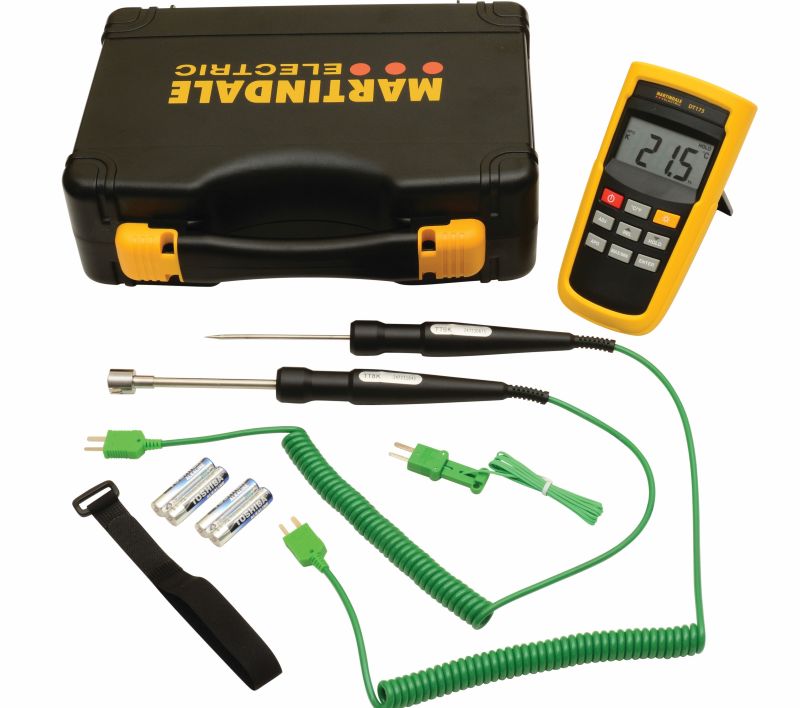
Temperature control is a fundamental part of Legionella prevention. Martindale’s THERMOKITLGN kit, for example, has been created to support temperature testing and monitoring programmes, helping to identify and reduce conditions that encourage the growth of Legionella and other bacteria.
The kit includes a digital thermometer with a maximum-value function, together with two thermocouple probes supplied in a durable carry case. Surface and immersion probes enable straightforward temperature measurement on pipework and storage tanks, supporting routine inspection and verification activities.
3. Risk Assessment Support
A comprehensive risk assessment is a vital part of any Legionella control strategy and Martindale’s free downloadable Legionella assessment guide provides practical advice and guidance to assist users in evaluating potential risks within properties.
The assessment form is designed to support a structured evaluation process, helping ensure important considerations are note overlooked. It should, however, always be used alongside applicable regulatory guidance and recognised industry best practice.
4. Training and Awareness
Competence and awareness are critical to effective management protocols and Martindale’s Basic Legionella Management Training Course provides a cost-effective, interactive online learning platform for employers, contractors and staff alike.
The course explores the risks associated with Legionella, methods for identifying potential sources of contamination and practical approaches to risk assessment. Participants gain the knowledge to establish a basic Legionella control programme or make informed decisions when engaging specialist service providers.
A proactive approach
By implementing effective risk management practices, regular monitoring, and appropriate control measures, all responsible parties – including plumbing and heating engineers – can significantly reduce the likelihood of bacterial growth within water systems and help protect occupants, visitors and the wider community from the potentially serious consequences of Legionnaires’ disease.
For further information relating to testing requirements refer to the Health and Safety Executive document “The control of legionella bacteria in water systems – Approved Code of Practice and guidance” and other guidance material from the HSE please visit www.hse.gov.uk/legionnaires
Image: Martindale