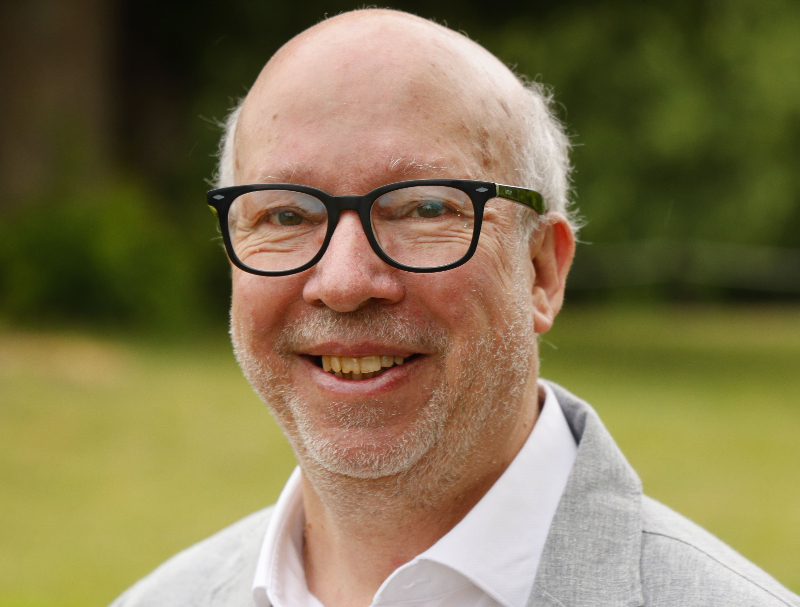
Malcolm Farrow, Director of Marketing and External affairs at OFTEC, provides his thoughts on rural decarbonisation and suggests some next steps.
At the Labour Party Conference, Prime Minister Andy Burnham set out his vision for the country. It focused heavily on the places he feels have been left behind by Westminster, with a promise to listen to every postcode in Britain. Surprisingly, however, rural areas weren’t mentioned once.
For the UK’s 1.7 million oil heated homes, which are mostly in rural communities off the gas grid, that’s a concern. When it comes to decarbonisation, these are the homes that face some of the biggest challenges. Yet, reading between the lines, there was plenty in the speech that could point to a better outcome for these households. So, what did we learn?
Not overlooking rural homes
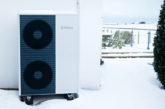
The government’s current decarbonisation policy focuses on electrification with the expectation that homes will switch to heat pumps. This is a sensible approach for towns and cities, where buildings are more consistent, but it sometimes feels the government has just replicated that policy for rural areas and assumed it will work. In reality, a bespoke approach is needed as these buildings tend to be older and poorly insulated, which often means expensive and disruptive work is required.
The Alternative Clean Heating Solutions consultation itself estimated the average cost for an oil heated home to switch to a heat pump at around £16,900. Even with the £9,000 Boiler Upgrade Scheme grant now available, that leaves a shortfall most households simply can’t cover. If rural communities aren’t going to be overlooked, they need a solution tailored to their needs.
Listening to what people want
Burnham has promised to listen, and oil heated households will be hoping that includes them. When you speak with households it’s clear they want to decarbonise, but the solutions on offer to them aren’t workable. What they find even more frustrating is that they aren’t being listened to.
It looked like this was starting to change because, at the end of last year, the government explored how off-grid homes should be heated in the future in a consultation. Around 16,000 oil heated households, technicians and fuel distributors responded to the Alternative Clean Heating Solutions consultation in support of renewable liquid fuels, such as Hydrotreated Vegetable Oil (HVO). That’s a remarkable level of engagement for a consultation on heat policy.
However, approaching eight months on, they are still waiting for a response. Listening means acting on what people tell you, particularly when so many have taken the time to engage. Publishing the consultation response would be a clear sign the new government intends to do just that.
Local decisions for local people
Much of the speech was about handing power back to communities. Burnham wants “more power in the hands of people and places to set their own ambitions”. It’s an approach he championed as Mayor of Greater Manchester and now wants to take across the country.
The same thinking should apply to how rural homes decarbonise. Households, installers and fuel distributors in these communities know their buildings best. They understand which solutions will work in practice, and which won’t. A single approach set in Westminster can’t account for the variety of properties you find in rural areas.
That doesn’t mean ruling heat pumps out. Where a heat pump suits the property and the household can afford it, it’s a good option. Where it doesn’t, households should have an alternative.
The village of Kehelland in Cornwall has already shown what this looks like, with homes and community buildings switching to HVO as part of a five-year demonstration project. Giving local people that choice is exactly the kind of decision making Burnham has spoken about.
Perhaps the most telling line was: “I am ready to do things my predecessors wouldn’t.” He also admitted that “change will be difficult. It always is.”
Rethinking how we decarbonise homes off the gas grid would be a good place to start. Much of the current strategy was set out a decade ago. Since then we’ve had a pandemic, war in Ukraine, conflict in the Middle East and a prolonged cost of living crisis. Household budgets and public finances are under far more pressure than expected.
Despite this, successive governments have stuck to electrification and there has been little willingness to adjust the approach. The wider landscape has changed, and the policy now needs to change with it. This doesn’t mean stepping back from net zero. The aim is to reach it in a way that works for rural homes.
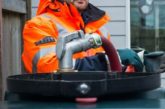
For example, a 20% HVO blend can be used in existing oil boilers with no modifications, cutting emissions straight away with no upfront cost for the household or the taxpayer. Introduced across all 1.7 million oil heated homes, it would deliver the same carbon saving as installing over 300,000 heat pumps.
For installers, a change of course would also bring something that has been missing for years which is certainty. With a clear policy in place, businesses can plan their training, investment and recruitment with confidence.
Burnham’s speech was full of ambition for places that feel forgotten. For rural households, the first test of that ambition is simple. The government needs to publish its response to the Alternative Clean Heating Solutions consultation and put the policy support in place for renewable liquid fuels.
The industry is ready to deliver, with the manufacturers, fuel distributors and technicians already in place. What rural communities need now is a government willing to listen and act on what they’ve said. If every postcode really does matter, that has to include the ones off the gas grid too.
Image: Malcolm Farrow, director of marketing and external affairs at OFTEC (OFTEC)