
Insulating the external pipework can help ensure optimum efficiency from an ASHP install. Paul Greengrass, Product Development Director from DiversiTech answers some questions on insulation.
Q. Why should installers be fitting insulation when installing Air Source Heat Pumps (ASHP)?
To ensure that 100% of the heat generated by the air source heat pump is transferred into the property, without any loss.
Q. What factors do installers need to consider when approaching the installation of insulation for ASHPs?
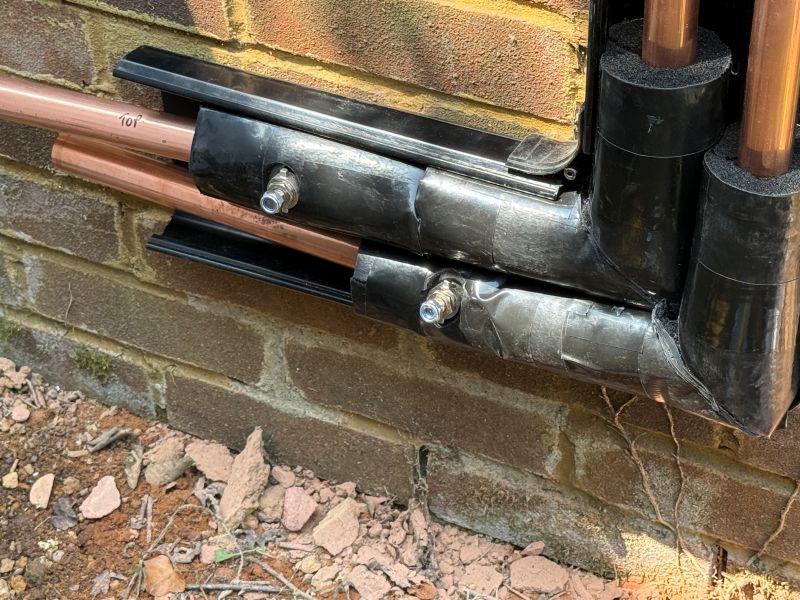
That all pipework is adequately covered with the correct insulation. No gaps, no exposed joins or hose connection, and any pipework insulation continues through the wall.
Q. What types of insulation are best suited for ASHPs?
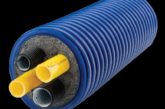
The insulation should be UV stable, weather proof, rodent and bird proof.
Q. Does the pipework and insulation need protecting?
If the installation is carried out using the correct insulation (as above) there is no specific need for further protection. However, if a lower grade insulation must be used, then it would be highly recommended to use external trunking.
Q. How else does insulation and protection contribute to an ASHP installation?
It ensures correct performance of the unit. Getting it right at this stage saves time, protects performance and strengthens client confidence.
Q. Which accessories should installers also look out for?
Other accessories include antifreeze valves, shut off valves, Diverter valves, mag filters and isolators. For protection, controlling the condensate and mounting the unit – guards, soakaways, feet and brackets are also recommended.
Q. Do you have any advice on fitting insulation for ASHPs?
Our advice would be to ensure you have the correct insulation and take extra care to make sure all joints are sealed. In short, all pipework and accessories are covered end-to-end.
Click here to view a video on installing insulation
Image: Divesitech