
Will McPhee, Technical Sales Manager, Pump Technology, explains how to install appropriate shower drainage when gravity isn’t enough.
Level access showers and wet room-style installs are now a regular part of the job, whether it’s a refurb, extension, or adaptation. The finish might look straightforward, but behind it sits one of the most important elements of the install: drainage.
Limited floor depth, solid floors, awkward layouts or long pipe runs can all make achieving the correct fall difficult, if not impossible. That’s where a pumped solution becomes essential. But selecting the right one is what keeps a job running smoothly and avoids the dreaded callback.
Flow rate handling
The first thing to look at is flow rate handling. Electric and mixer showers deliver very different outputs, so the pump needs to cope with both without constant adjustment. A system that can automatically respond to changing flow will outperform one that relies on manual setup.
Triggering and response time are just as important. A pump that reacts instantly to water flow helps prevent water build-up in the tray, particularly important in level access installations where there’s no margin for error.
Installation flexibility
This can make or break the job on site. Compact units, multiple inlet/outlet options, and the ability to work within tight voids all help reduce installation time and headaches.
Don’t overlook access for maintenance either. If you can’t get to it easily, it becomes a problem later, for you or someone else.
And finally, noise levels. In domestic settings especially, a quieter system can make a noticeable difference to the end user.
Pump performance
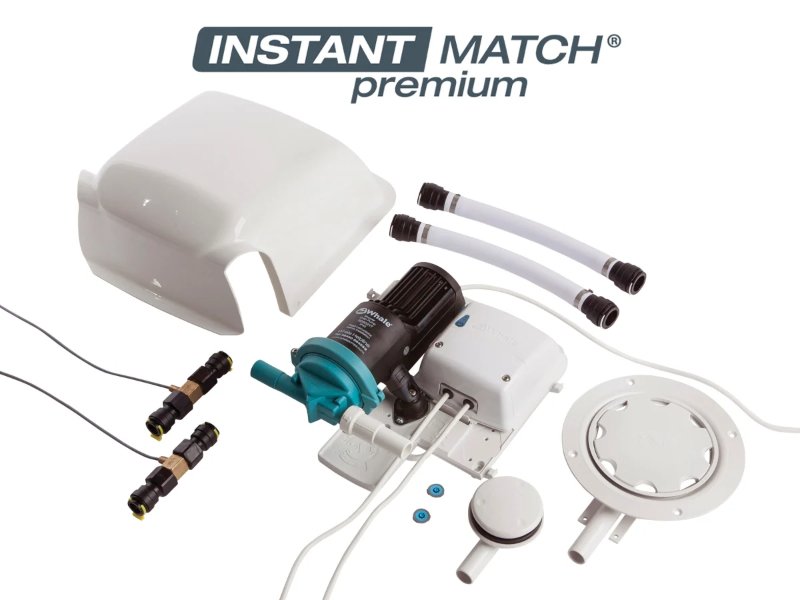
Solutions from Whale are designed with these challenges in mind. The Instant Match Premium range automatically adjusts pump performance to suit the incoming flow, removing the need for manual calibration and helping ensure consistent drainage across both electric and mixer showers.
Paired with Whale Sense, a smart wireless flow sensor, the system can also detect loss of pump performance or power and automatically shut off the water supply. It’s a simple but effective safeguard that helps prevent overflow and protects both the property and your workmanship.
Get the specification right from the start, and everything else falls into place. When gravity won’t cooperate, the right pumped solution keeps the job simple — delivering reliable drainage, a clean finish, and confidence that once you’ve left site, it stays sorted.
Image: Pump Technology