
Housing associations and local authorities are being encouraged to consider shower waste water heat recovery (WWHR) as part of their long-term planned maintenance and retrofit programmes. According to waste water heat recovery specialist Showersave.the technology offers a simple, low-maintenance way to help tenants reduce energy bills while improving the efficiency of existing housing stock.
Although shower waste water heat recovery is recognised within the Government’s notional dwelling specification for the Future Homes Standard, Showersave says it remains underused in social housing refurbishment and retrofit projects, missing an opportunity to help landlords future-proof their housing stock while delivering long-term financial benefits for residents.
Steve Parker, Head of Social Housing at Showersave, said: “Housing providers are rightly focused on improving the quality and energy performance of their homes, but there’s also increasing pressure to help tenants manage the rising cost of living. Waste water heat recovery is a simple technology that can make a genuine difference by reducing hot water energy demand without asking residents to change their behaviour or creating an ongoing maintenance burden for landlords.
“The technology is already recognised within the Future Homes Standard for new homes, so the question is why it isn’t being considered more often when existing properties are refurbished. Bathroom renovations, planned maintenance programmes and void property upgrades all present ideal opportunities to future-proof housing stock while delivering lasting savings for tenants.”
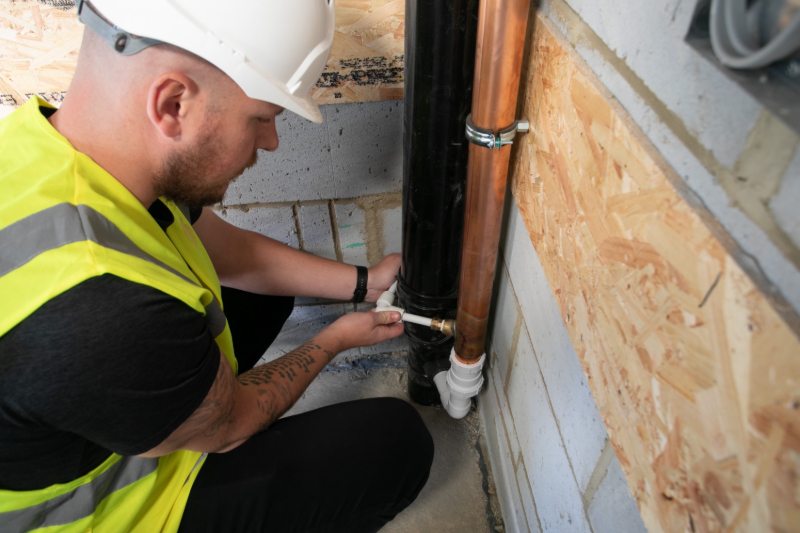
Showersave’s waste water heat recovery systems recover heat from used shower water to pre-heat incoming cold water before it reaches the hot water system.
Steve added: “As social landlords continue investing in the improvement of existing homes, every opportunity to reduce energy demand should be considered. Waste water heat recovery is a proven technology that delivers long-term benefits for both landlords and tenants, helping lower running costs today while supporting the UK’s wider net zero ambitions for the future.”
Image: Showersave