David Barrett, CEO, The Electric Heating Company, provides some thoughts on the use of electric boilers, including the qualifications installers need and some installation requirements.
Q. What types of properties are well-suited for an electric boiler?
Electric boilers are well suited to homes with modest heat losses, including flats, smaller houses and properties without mains gas. They can also be useful where a flue or external heat pump unit is difficult to accommodate. For refurbishment projects, they offer a way to retain a suitable wet radiator or underfloor heating system. The decision should always follow a property assessment: insulation, heat demand, available electrical capacity and the customer’s likely running costs matter more than property type alone.
Q. Are there any situations when an electric boiler would not be suitable?
A poorly insulated property with a high heating demand may be a poor fit. An inadequate electrical supply can also rule out the required output unless an upgrade is feasible.
Q. What are the main factors installers need to consider when installing or working on Electric boilers?
They should start with a room-by-room heat loss calculation, then assess heating and hot water requirements separately. Check the existing emitters, pipework and system condition, and agree appropriate controls and zoning.
Electrical capacity must be assessed alongside other significant loads, such as EV charging and electric showers. Tariffs and realistic annual running costs should also be discussed before specifying the boiler. Direct electric conversion efficiency does not mean electricity is inexpensive. A clear explanation of how the system will operate helps customers make an informed decision and avoids unrealistic expectations.
Q. Are any electrical qualifications required?
The electrical installation, inspection, testing and certification should be undertaken by a suitably qualified and competent electrician working to current BS 7671 requirements. Plumbing experience or Gas Safe registration alone does not demonstrate electrical competence.
Q. Are there any particular installation requirements?
Always follow the specific boiler’s installation instructions. Provide a correctly designed dedicated electrical circuit, suitable protection, earthing and accessible isolation. Assess maximum demand and involve the distribution network operator where supply approval or an upgrade is required.
 Q. Does the EHC offer any support to installers undertaking electric boiler installations?
Yes. Our in-house technical and sales teams help installers select suitable heating and hot water products and develop specifications from project information and drawings. We also provide installation literature and dedicated telephone technical support.
Training is available through our installer programme, helping contractors become familiar with our boiler range and its installation requirements. We encourage installers to speak to us early, particularly where electrical capacity, controls or system integration need clarification. Getting the specification right before installation is the best starting point for a successful project.
Q. EHC has recently introduced the Comet System electric boiler. What were the main reasons for this move?
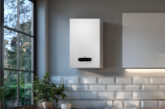
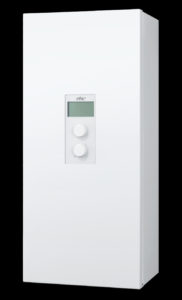
Our aim with the new Comet System boiler was to give our customers access to many of the features and benefits of our best-selling Comet PV boiler range (the Comet PV remains part of our range of electric boilers – the widest range in the UK market), but at a cheaper price than the Comet PV. The Comet System boiler is cheaper and simpler than Comet PV, so offers great value for money with all the excellent pre and post-sales support from EHC.
Images: Electric Heating Company