Dean Heathfield, Commercial Director at Talon Manufacturing, looks at how quick and easy pipework finishing details, from pipe seals to skirting covers, can help deliver a successful domestic heating installation.
A well-designed heating system can be technically excellent and still disappoint a homeowner if the finish lets it down. Customers might not recognise what is impacting their energy bills but they may notice a rough patch around a boiler flue or bare copper pipework against a wall.
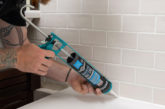
Many domestic heating installations involve a series of holes drilled for pipework, waste runs and boiler flues. Left unsealed, or even sealed with traditional mortar, expanding foam or silicone, these penetrations become a direct route for warm air to escape and cold air, moisture and pests to get in.
None of those materials age particularly well either: mortar cracks, foam shrinks and discolours, silicone peels and achieving a neat finish externally or at height is not always straightforward. Sealing penetrations well is more than good practice too, since the 2022 update to Part L made airtightness around pipe and flue penetrations a formal requirement rather than a recommendation.
 Pipe collars
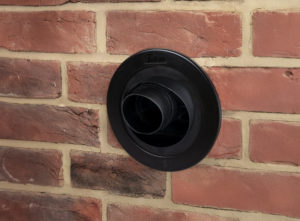
Purpose-made pipe collars avoid all of this. PipeSnug, for instance, fits directly into a standard core-drilled hole around a pipe, forming an immediate airtight seal in seconds and comes in enough sizes and colours to disappear into most finishes.
FlueSnug does the same job around a 152mm core-drilled flue hole and because it can be fitted from inside the property, there’s no need for ladders or scaffolding. The newer FS5 version is sized for five-inch flues and lines up with existing core holes on like-for-like boiler swaps, so there’s no redrilling or making good required at all. The Snugs also preserve the wall itself and can be removed without damage if needed.
Clipped and tidy
Hinge clips are one of the easiest places to cut corners but one of the quickest to detract from a job. Some clips can be brittle and break, lose their grip or visibly yellow, undermining work that’s otherwise first-rate.
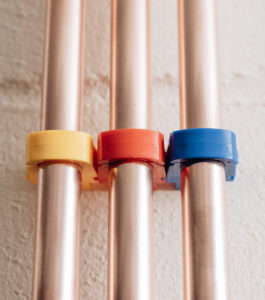 When choosing hinge clips, the basics matter. A clip that grips a pipe through a full 360° spreads the load evenly rather than creating stress points that lead to sagging or rattling as the system heats and cools. Material quality counts too: UV stabilised plastics, used in Talon’s Hinged Clips, resist the yellowing and brittleness that sunlight and temperature swings can cause. For longer runs, a linking system that keeps clips aligned without extra measuring, like Talon’s interlocking Dovetail design, saves time and keeps spacing consistent along the whole length.
Colour
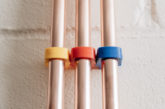
Colour has a practical role in installations as well as an aesthetic one. Clips that come in red for hot, blue for cold and yellow for gas let installers, and anyone following behind them, identify a pipe run at a glance rather than tracing it back to source.
On a busy job with several trades moving through a property, that can save real time and avoid costly mix-ups, while still leaving a tidier, more considered finish than a row of plain white clips.
Covering up
Not every domestic job allows pipework to be chased into a wall or hidden under a floor, particularly in retrofit and refurbishment projects. Exposed copper can undo an otherwise tidy job too, especially around radiators and heated towel rails, where the customer has often chosen the surrounding finish carefully.
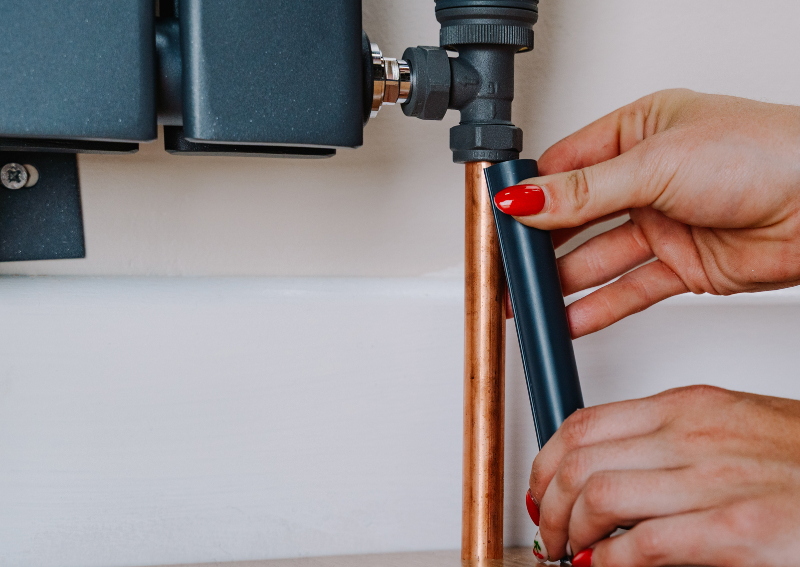
Pipe covers that clip directly over existing pipework create a smooth finish without any painting. Talon’s uPVC Snappit pipe covers won’t chip or flake like paint and the kits for radiators and towel rails include matching collars as well as covers, so the last few inches of pipe don’t get left bare.
Skirting-level covers solve the same problem over longer surface-mounted runs, concealing pipework neatly along a wall or skirting board, indoors or out, while still allowing access when it’s needed. A decent system should be easy to keep clean, resistant to the knocks of daily life and rated to UL94 V-0 for flame spread, with fixing brackets and inside, outside and flat corner pieces plus stop ends so a run looks continuous rather than stopping and starting at every corner.
Talon’s over-skirting and direct-to-wall skirting covers can also connect directly into skirting systems, giving installers a continuous finish rather than a mix of exposed sections, awkward joins and visible clips.
None of this is complicated or expensive and it needn’t add much time to a job. But together, these details can be the difference between an installation that’s merely compliant and one that looks like it too.
Final details
Customers can’t always judge pipe sizing or system design, but they can see a neat seal, a straight run of clips and a skirting line with no rough edges. Getting those details right is a small investment that pays off in a job that looks every bit as good as it performs.
Images: Talon