With momentum for sustainable solutions continuing to accelerate due to net-zero initiatives such as clean energy, decarbonisation, and water conservation, Lee Halstead, Technical Sales Engineer for RWC, takes a look at some plumbing innovations that could help to keep sustainability at the core of projects.
Due to climate change, population growth and high demand, water scarcity is currently affecting a number of UK regions. Managing water usage efficiently has therefore become essential, both in the context of net-zero ambitions and in the health and well-being of vulnerable people.
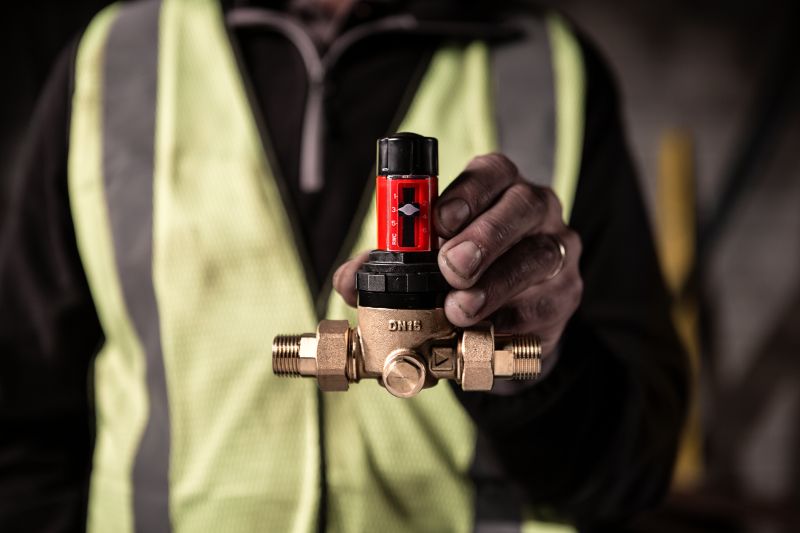
Pressure Reducing Valves (PRVs) play a key role in supporting a more positive future outlook. Traditionally specified to improve system performance and longevity, PRVs regulate incoming water pressure to suit the specific requirements of a property. In doing so, they deliver an often-overlooked sustainability benefit: controlling excessive pressure reduces overall water consumption. This is increasingly important as the UK works towards targets to reduce individual water usage.
Likewise, Government plans and regulators are driving greater adoption of smart water metering to better understand, manage and reduce demand, while identifying inefficiencies in real time, consequently creating market conditions that favour the technologies that manage pressure and consumption at the source, such as PRVs.
With regulators exploring minimum efficiency standards for products and buildings, particularly in new builds, the Reliance Valves Pressure Reducing Valves are evolving from a reliable performance component into a strategic tool for regulatory compliance and water conservation.
Detecting leaks
Generally caused by ageing infrastructure or poor connections, leaks are often inevitable – and remain a contributor to unnecessary water loss. And as with PRVs, leak detection technology plays a critical role in reducing this water wastage.
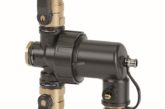
In a time of water scarcity and tightening consumption targets, plumbing systems must work harder to prevent this avoidable waste. One solution is early detection, and the Reliance Valves MultiSafe Leak Detector Control Valve achieves this through continuous monitoring of water consumption and alerting homeowners or residential building managers when unusually high volumes of usage are detected, enabling immediate action to be taken.
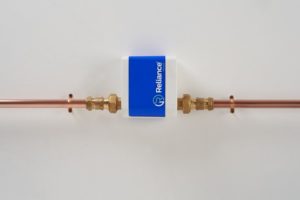
As well as monitoring, the detector’s isolating valve will automatically shut off the water supply when unusually high usage is detected, and will send an instant alert by text or email. With the addition of microleak testing at regular intervals, even a small leak will be detected before it has a chance to cause damage.
As regulators increasingly expect detailed consumption data to underpin targets and leakage commitments, solutions such as the MultiSafe Leak Detector offer specifiers a practical way of futureproofing projects by complementing smart metering strategies and supporting the data requirements of water companies.
For end users, the solution contributes to water savings, reduced risk of property damage and the peace of mind that this brings.
Multi-occupancy buildings
When working with multi-occupancy buildings, water efficiency presents a whole new set of challenges due to the high-density demand, shared infrastructure, and the necessity to balance efficiency with constant, uninterrupted service for residents. The Reliance Valves Tenant Valve Advance has been developed specifically to address these environments by combining multiple functions into a single, self-contained unit.
The one-piece combination valve allows individual apartments to have their water pressure managed and consumption monitored independently, while a dedicated connection point for installing a water meter supports accurate measurement and billing at a unit level.
From the perspective of specifiers and installers, tenant valves are particularly valuable where space and time constraints exist. By integrating all elements of a traditional valve chain into one compact unit, they reduce the number of connection points, which in turn simplifies installation, reduces the need for maintenance and speeds up servicing.
Futureproofing
Water conservation is no longer a secondary consideration; it is a central pillar of the UK’s sustainability and net-zero strategy. For specifiers, this presents both a responsibility and an opportunity.
By adopting water-efficient design practices and embracing innovative plumbing technologies such as PRVs, smart leak detectors and tenant valves with integrated metering, specifiers can ensure that their projects are future-proofed, sustainable, and designed with the end user in mind.
Images: RWC