As connected pump systems become more common across domestic and commercial buildings, keeping training up to date is becoming just as important as product selection itself, says Edoardo Giacomini, Product Trainer at DAB Pumps.
Training has always been an important part of plumbing and heating, but pump technology is changing quickly. Connected systems and app-based controls are appearing on more projects while variable speed technology is now widely used across many applications. Engineers are therefore expected to understand more than installation alone, with commissioning, monitoring and ongoing setup increasingly becoming part of the job. As a result, training now plays a much bigger role throughout the entire process, before, during and after installation.
For many years, pump selection relied on experience and cautious oversizing. While that approach may once have been viewed as a safe option, the industry is increasingly recognising that overspecification can create unnecessary energy use, additional wear and poor operational efficiency. Oversized systems can add to running costs and reduce overall performance, particularly when pumps operate away from their optimal duty point.
System design
As buildings become more energy conscious and plant room space tighter, accurate system design is becoming more important. Understanding system demand, pressure requirements, variable speed operation and control strategies all help installers select the right pump for the application rather than simply choosing the largest option available. Keeping pace with developments in pump technology can also help avoid costly callbacks and support long-term system reliability.
Alongside more accurate system design, digital connectivity is also changing how pumps are installed and managed. Pumps are no longer simply mechanical products operating in the background. Increasingly, they form part of wider connected building systems where installers and end users expect remote visibility, fault monitoring and app-based control.
Smart functionality
Connected operation can already be seen in products such as DAB’s EsyBox and EsyBox Pop systems. Designed for residential water pressurisation, the compact pumps include smart functionality that changes how they are installed and managed. Understanding how these systems communicate and how to configure them correctly is now just as important as pipework layout or electrical connections.
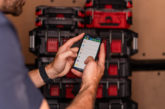
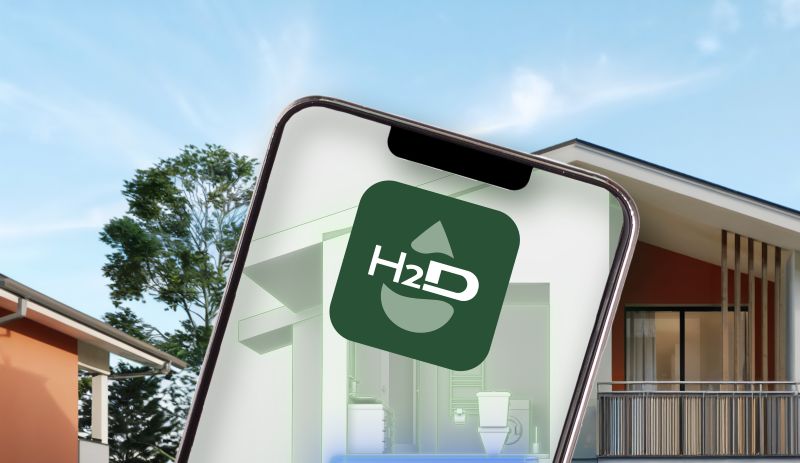
Using the DAB H2D app, engineers can configure pumps quickly, monitor operation remotely and diagnose faults without always needing to attend site. For installers managing multiple properties or maintenance contracts, that can reduce unnecessary visits while helping faults to be identified faster.
However, the benefits of connected systems can only really be achieved when installers are confident using them. Proper training helps engineers understand setup procedures, connectivity functions and system diagnostics so they can make full use of the technology available.
As these technologies become more common, manufacturers are placing greater emphasis on practical installer training. DAB Pumps has invested heavily in both hands-on and online learning, giving installers access to support that works around busy schedules.
Installer training
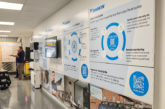
Its purpose-built training room gives installers direct access to working products and live systems, allowing engineers to familiarise themselves with controls, commissioning procedures and fault scenarios in a practical environment. For many installers, physically working with products remains one of the best ways to build confidence, particularly when dealing with smart systems and integrated controls.
Alongside this, DAB’s D.Learning platform provides installers and specifiers with access to product courses, tutorials, technical documents and videos designed to support ongoing professional development. The platform allows engineers to build knowledge around installation, commissioning and troubleshooting while fitting training around day-to-day workloads.
Engineers can no longer just be experts in installation; they are increasingly expected to provide ongoing support, system optimisation and faster fault diagnosis. Remote monitoring can help installers identify issues earlier and schedule maintenance more effectively so they can respond to customer concerns before they develop into larger problems. It means more reliability and less disruption for customers. Installers can expect greater efficiency, less travel time and better client relationships.
Correct pump selection, proper commissioning and effective system setup and monitoring all rely on installers having access to current technical knowledge. Whether through digital platforms, manufacturer-led courses or practical workshop sessions, investing in training helps installers keep pace with changing technology so they can deliver the best outcomes for their customers.
Image: DAB Pumps