

Training remains vital to the growth of the low carbon heating market. PHPI caught up with Steve Clark, a plumber turned Heat Pump Trainer at Mitsubishi Electric, to find out more about the role.
Q. How did you originally get into the heating sector?
I’ve always had a fascination with solving problems and making a meaningful impact, particularly when it comes to fixing something people rely on every day – and that includes the technology that heats their homes.
In the early days of my career, where I specialised in domestic gas heating and plumbing, I quickly realised how important good fault-finding skills are. That’s what ultimately drew me to the heating sector; no two days on the job are ever the same. The UK’s broader transition to low-carbon heating also means the industry is changing rapidly, and I wanted to be a part of that change.
Q. What kind of work were you undertaking on a day-to-day basis?
I initially trained as a plumber, before joining my current role as a Technical Trainer at Mitsubishi Electric. Previously, I would spend most of my time driving from site-to-site, being on call and helping people when their heating system was on the blink. This was particularly frustrating as I knew the issue could’ve been prevented at the time of installation.
That’s why I wanted to pivot and take on a more proactive role, helping people design the whole heating system from start to finish. Doing so meant retraining and applying my existing skills and knowledge to a completely new range of technology, which has transformed my understanding of heating and how to design it for people’s homes.
Q. Why did you decide to move away from domestic plumbing & heating and become a heat pump trainer?
While I’ve been in the sector for a number of years, my predominant reason for becoming a heat pump trainer was the speed at which the heating industry was beginning to change. It’s pretty clear that the future of home heating is heat pumps and low-carbon solutions. So, rather than waiting to play catch-up in a few years, I wanted to develop the skills and experience that would allow me to stay ahead of the curve and support the wider transition to renewable heating in people’s homes.
Q. What does an average working week now look like?
My job essentially involves delivering training for installers – and a big part of that is taking niche and complex information and making it more accessible. This lets me not only coach engineers but boost their confidence in their ability to retrain with heat pump systems.
Generally, a typical day involves helping engineers with technical questions, running practical training sessions and getting hands-on with installations. This could also entail work on wiring schematics, commissioning guides, or creating interactive learning resources.
One key difference from my previous job was moving from being practically based to working in an office. While being on call gave me more flexibility, the structure of a 9-5 is a much better fit for me. I spend considerably less time commuting between projects each week and overall enjoy a healthier work-life balance.
Q. Where do you see the heating industry in five years’ time?
It’s difficult to predict exactly where the heating industry will be in five years’ time, but it’s clear that the sector will continue to evolve – whether that’s with more financial support for homes and businesses looking to make the switch, improved consumer confidence in adoption, or more innovative system design for people’s homes.
Beyond 2030, I also hope to see more young people being brought into the industry – particularly through accessible apprenticeship opportunities. Upskilling the existing workforce will also remain a key part of the solution. Experienced engineers already have highly transferable skills but need practical, accessible training that helps bridge the gap between traditional heating systems and low-carbon technologies. Connecting new principles to the existing knowledge engineers already have will enable them to make the switch – and support broader heat pump adoption across homes, businesses and the wider economy.
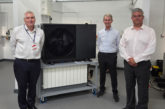
Image: Steve Clark (Mitsubishi Electric)