Heating controls were once designed simply to switch boilers on and off, however today’s smart heating controls are evolving into intelligent energy management tools that deliver real benefits to homeowners. Merlin Milner, Product Owner for Water-based Systems at Drayton, unpacks the capabilities of heating controls as they continue to develop, and highlights the valuable opportunities they present for installers.
The evolution of heating controls is being driven by a growing awareness of energy consumption and desire to reduce this as much as possible. As energy bills continue to rise, homeowners are more focused on how they can manage their energy usage more effectively without having to compromise the comfort of their home environment. While smart heating controls have played an important role in this for years, their capabilities, and the value they add, are now rapidly growing.
Smarter homes
Traditionally, heating controls were engineered to maintain a set temperature at specific times of day. Although this was effective, it led to wasted energy by heating unoccupied rooms or running systems longer than needed.
The introduction of smart heating controls eliminated these issues through features such as multi-zone control, allowing homeowners to heat individual rooms rather than the whole house.
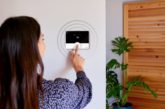
Remote access via smartphone apps also added another layer of convenience, as it allows users to adjust heating from wherever they are at any time and avoid unnecessary usage.
Many smart controls also feature smart modes, which can help to optimise heating schedules and energy consumption. For instance, Wiser’s Eco Mode learns the thermal properties of the home using optimum stop and weather compensation. This enables the system to ensure the desired comfort level is maintained but also could turn off the heating ahead of its scheduled timings. Away Mode is another feature which overrides the schedule and switches the heating off when a property is empty, therefore reducing the amount of wasted energy.
For homeowners, these elements lead to more control, improved comfort, enhanced energy efficiency and help to lower bills. Smart solutions also remove the need for constant user input and adjustment and instead uses intelligent automations.
Home management
The housing sector is continuing to adapt to the net zero ambitions of the country, and this has also changed the role of heating controls. Homes are becoming more electrified, and heating controls are developing to keep up with this shift by managing energy consumption, going beyond just regulating temperatures of a property.
Alongside advanced heating functions, they can now integrate other products, such as lighting, security alarms, motion sensors leak detection and more into a single, intuitive system. This doesn’t just offer convenience; it also plays a role in improving efficiency too. When installed, sensors can detect when a window has been left open and automatically pause heating in that room to avoid wasting energy. Lighting controls ensure lights are only used when needed, and power micro modules can be used to heat hot water during off-peak tariff periods rather than at peak times, so that homeowners take advantage of lower energy costs.
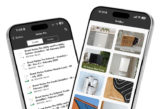
Drayton’s Wiser 2nd Generation demonstrates this transition. Beginning as a smart heating control, the new generation has developed into a wider home automation system, enabling homeowners to manage various elements of their home through one smartphone app. Smart heating controls have evolved to combine energy savings with everyday user convenience. This responds to consumers’ desire for convenience, while simultaneously being key to managing energy for improved efficiency and preparing homes for the future. through automatic optimisation, adapting to changing routines and conditions.
An opportunity
As homeowners are placing greater importance on energy efficiency and convenience, advanced smart controls, like Wiser, offer a valuable upselling opportunity that goes beyond basic heating installation.
Installers can offer these as long-term solutions that reduce energy bills, improve comfort and convenience, and futureproof the home. The benefits can be clearly demonstrated through capabilities such as zoning, remote control, and automations, which are key talking points for installers to have with their customers.
A smarter future
As the industry continues to move towards net zero, smart heating controls will be increasingly crucial in managing heat, but also in helping homes use energy more efficiently and sustainably. As homes become more connected and electrified, the capabilities of controls will continue to expand and will be driven to becoming more like full home energy management systems (HEMS), and it is important that installers are prepared to support their customers in this journey.
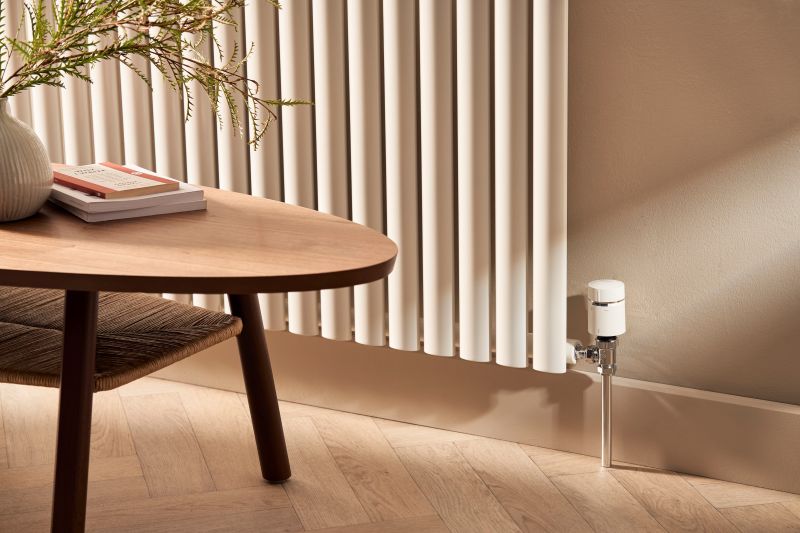
Image: Drayton