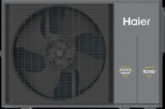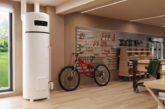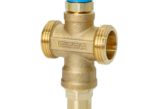

Steve Elsmore – Senior Technical Support, Altecnic – provides some advice on using anti-freeze valves to provide protection for Heat Pumps.
Heat pumps are built to run efficiently all year round, but winter weather can introduce an important challenge of having to protect the system from frost. When temperatures drop, water sitting in exposed flow and return pipework can begin to freeze.
This FAQ article explains why frost protection is essential for heat pump installations, what areas are most vulnerable, and how anti-freeze valves help protect external pipework during low temperatures, supporting system reliability and performance.
Q. What parts of a heat pump system are most at risk of freezing?
The area’s most at risk are usually the parts that are exposed to outdoor temperatures, especially external pipework connected to an air source heat pump. Flow and return lines installed outside the property cool faster than internal pipework and are more likely to freeze during cold weather.
This risk can increase further if external pipework is exposed to wind chill, installed in shaded areas, or if the system isn’t circulating water regularly. When water freezes inside a pipe, it expands and can place the pipework and fittings under significant strain. Even if the pipe doesn’t split immediately, freezing can weaken joints and seals. Once temperatures rise and the ice thaws, this can result in leaks, pressure loss, or system faults.
A frozen pipe can also restrict or fully block flow. When flow is disrupted, many heat pumps will detect the issue and shut down for safety. That means no heating output at the time it’s needed most, and a greater chance of emergency callouts during the winter period.
Q. What is an Anti-Freeze Valve used for?
An anti-freeze valve helps prevent ice forming in a heat pump circuit, protecting the system from freezing conditions. It reduces the risk of damage to equipment, valves, and external pipework, which can occur if water in the system freezes.
Q. How does an Anti-Freeze Valve work?
Anti-freeze valves are fitted on the external flow and return pipework connected to the heat pump. Their operation is based on temperature.
– When the temperature drops below 3°C, the valve opens automatically and allows system water to drip and discharge safely, helping prevent freezing.
– When the temperature rises above 4°C, the valve closes again, preventing unnecessary draining.
This controlled discharge helps remove water from the vulnerable outdoor sections of the circuit before it can freeze. Once conditions improve, the valve shuts again to preserve system water and allow the heat pump to continue operating normally.
Q. Where should an Anti-Freeze Valve be installed?
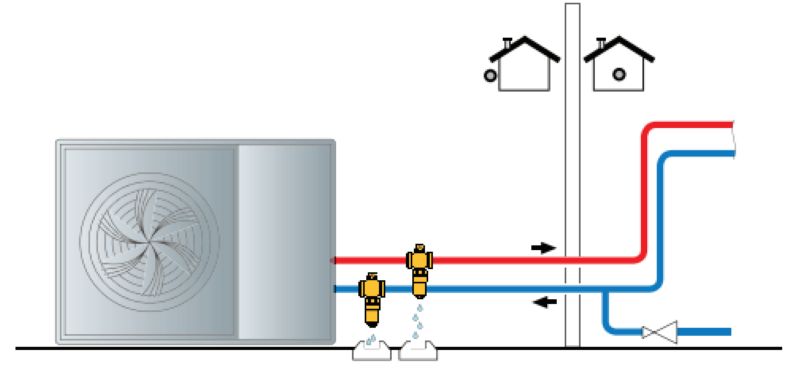
Anti-freeze valves should be installed on the external pipework of the heat pump system. It is recommended to install them on both:
– Flow pipe
– Return pipe
Fitting anti-freeze valves on both lines helps ensure the external circuit can drain properly when required. If only one valve is installed, water may remain in the other side of the pipework and still be at risk of freezing. That trapped water can create the very conditions frost protection is meant to prevent, particularly during extended low temperatures.
Q. What orientation should an Anti-Freeze Valve be installed in?
Correct orientation is essential for proper performance. Anti-freeze valves must be installed:
– Vertically only
– With the outlet facing downwards
This positioning ensures water drains freely out of the valve. If installed incorrectly, water may not discharge properly, which could reduce frost protection performance and increase the risk of trapped water and freezing.
As part of good installation practice, it’s also important that discharged water can flow away without obstruction. The valve needs a clear path to drain, particularly when temperatures are close to freezing and any slow flow may begin to ice up.
Q. Does the system need to stay pressurised for the valve to work properly?
Yes. For correct performance, the system should be kept under pressure at all times, including during discharge. Pressure helps maintain consistent system behaviour and supports the valve’s intended operation.
Maintaining system pressure is also important for overall heat pump performance. A drop in pressure can cause faults, disrupt flow, and may affect how the heat pump responds during cold weather.
Q. Can I install an Anti-Freeze Valve where the pipework creates a‘trap’?
No, trap connections must be avoided.
If external pipework is shaped in a way that creates a ‘trap effect,’ part of the circuit may not drain fully when the valve opens. This can leave water sitting in low points of pipework. In freezing conditions, that remaining water may still freeze, meaning frost protection is no longer guaranteed.
To maintain effective protection, external pipe runs should be designed with drainage in mind. Pipework should allow water to drain freely, without dips or loops that prevent the circuit from emptying.
Q. How far from the floor must the Anti-Freeze Valve be installed?
For the iStop® Anti-Freeze Valve, leave at least:
– 15 cm clearance from the ground
This clearance is important because a block of ice may form below the outlet during discharge. If the valve is installed too close to the ground, ice buildup can block drainage, preventing water from flowing out properly and reducing frost protection effectiveness.
Q. How far apart should two Anti-Freeze Valves be installed?
For the iStop® Anti-Freeze Valve, keep a minimum distance of:
– 10 cm between valves
For the iStop® PLUS (where the sensor is off axis), the pair of valves can be installed vertically in parallel, allowing a more compact installation layout and greater flexibility depending on available space and preferred pipe routing.
Correct spacing helps ensure both valves operate effectively and supports good access for maintenance or inspection.
Q. Should Anti-Freeze Valves be insulated?
No. The valve must remain free of insulation so it can sense temperature correctly and operate as designed.
While insulating external pipework is often good practice to reduce heat loss and improve efficiency, insulating the valve itself may prevent it from detecting low temperatures accurately. If the valve cannot sense the cold conditions, it may not open when needed, which could compromise frost protection.
Image: Altecnic (iStop® Anti-Freeze Valve install)