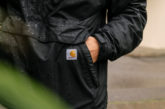

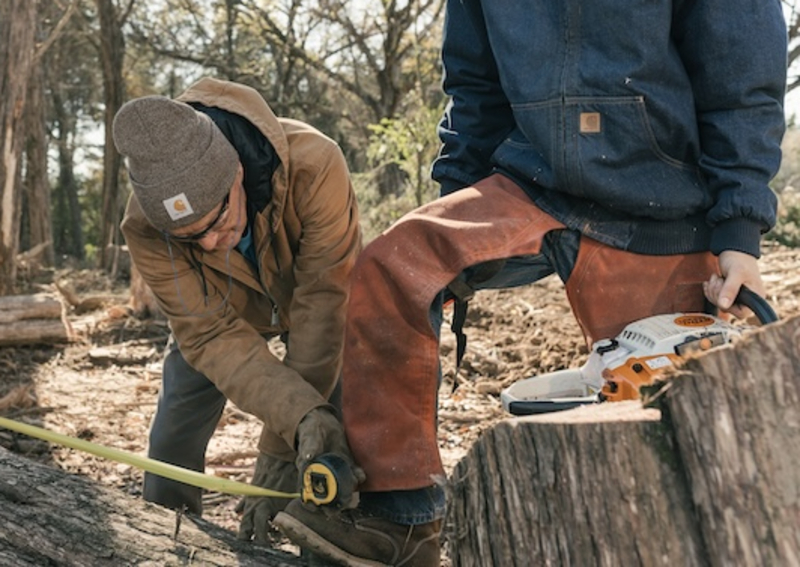
Carhartt outlines some of its winter workwear.
When the first frost hits, everyone in the trade feels it. Cold hands, stiff joints, damp clothes; the winter weather can make even routine jobs harder, slower and riskier. If you’re someone whose job involves time outside, stocking up with the right workwear for the weather is essential.
It’s easy to think just layering up with old T-Shirts or thick hoodies will do the job. And of course it will to an extent. But there’s plenty of carefully designed, practical workwear out there that can really improve your working day.
It’s worth taking a good look at what’s around and picking up the layers that will keep you warm without weighing you down, dry quickly without trapping sweat and protect you without losing movement.
Here are five key items from Carhartt that can help make the difference when the weather changes and the temperature drops.
At the base
Winter gear works best when layered properly and a breathable base layer will help manage sweat and temperature changes throughout the day. The right material does more than just feel comfortable; there are fabrics that will actively draw moisture away from the skin and prevent the cold, damp feeling that can set in when moving between warmer indoor spaces and outdoor work.
Carhartt’s Force™ range uses sweat-wicking technology to boost airflow and keep skin dry. It is a technology that has been designed for anyone working hard: it is stretchy, dries fast and prevents odours. Our new Force™ T-Shirts have mesh panels for air circulation and an improved seam so there’s no uncomfortable distractions. The Carhartt Force™ Relaxed Long Sleeve T-Shirt is lightweight and airy, dries fast and has plenty of stretch. It also has reflective taping for added visibility on darker days. But the Force™ range is wide and also includes hoodies, sweatshirts, trousers, socks – all doing the same job of keeping you cool, dry and comfortable.
Stay flexible
It can be hard to move from relaxed shorts into thick winter trousers. They can feel restrictive, tight and uncomfortable after the freedom of summer. There are some benefits to moving into trousers of course: reinforced knees, abrasion-resistant fabrics and designs that accommodate kneepads all help when working on frozen concrete, uneven ground or in confined spaces. But comfort is key too and while the right pair of trousers will resist tears and offer protection where it’s needed most, they should also be flexible and move with you when you’re squatting or crawling or reaching.
Carhartt’s Steel Pants are well-suited for winter. The Ripstop Double-Front Dungarees for example, use a grid-patterned ripstop weave that prevents small tears from spreading, always an advantage on sites with rough surfaces and sharp edges. They incorporate Rugged Flex™ technology too, so stretch is built into the fabric. The articulated knees allow for crouching and bending even in cold weather when fabrics can stiffen, and Cordura® reinforcements protect high-wear areas like pockets and knees from fraying or splitting.
Weatherproof warmth
A good jacket is the foundation of any winter wardrobe. It should trap heat, block wind and repel moisture but also allow you to move without restriction. Carhartt’s Active Jacs have been around for 50 years now and are a great choice for outside work. The whole range has been designed for maximum warmth with rib-knit cuffs and waistbands to seal out drafts and a large hood to fit over hard hats or beanies.
The Washed Duck Bartlett Active Jac incorporates Full Swing™, a design that was developed with the Carhartt Crew (a group of working testers) to give maximum natural movement. It has bigger bends in the elbows and increased stretch across the shoulders and back to help free movement. If you need something a bit lighter and water resistant, the Gilliam Active Jac has Rain Defender™ technology so rain beads up and rolls off.
On your feet
Winter brings two major challenges underfoot: moisture and instability. Slippery ladders, muddy sites and freezing ground all test footwear performance. Boots for the season should combine waterproofing, insulation and grip without adding excess weight.
Waterproof membranes such as Storm Defender™ keep water out but allow heat and vapour to escape, preventing clamminess and overheating. Vibram soles provide dependable traction on wet or uneven surfaces, while scuff-resistant leather extends the lifespan of the boot in tough conditions. The Carter S3 Pull On Safety Boot has all these features together with a padded collar and fully cushioned footbed for extra comfort. The boot has heel and ankle reinforcements and a nylon shank which add extra support when working outdoors.
Finishing touches
Smaller items are often the easiest to overlook but can make the biggest difference; on cold mornings or late dark evenings you need to keep your extremities warm. Up to 10% of body heat can be lost through the head so a well-fitted beanie or hat is essential. The Carhartt Knit Cuffed Beanie, made from soft rib-knit acrylic, provides a secure fit and reliable warmth and fits comfortably under a hard hat or hood.
At the other end, socks can make or break the day. Carhartt’s Force™ crew socks are thick and warm with a heel pocket. The Force™ technology also fights sweat and smells so keep our feet dry and at a comfortable temperature throughout the day.
Winter workwear needs to be both safe and comfortable when the conditions are against you. Cold reduces muscle performance and wet clothing saps energy so choosing gear that fits properly, resists the elements and allows movement helps protect against both fatigue and distraction.
From weatherproof jackets to flexible trousers, supportive boots and moisture-managing layers, each item has a role in keeping you working safely and effectively through the colder months.
Image: Carhartt