
Drayton has revealed how upgrading heating controls is one of the most cost-effective ways to cut carbon emissions and reduce bills, according to the latest analysis of Marginal Abatement Cost Curve (MACC) data.
MACC evaluates which energy-saving measures provide the highest carbon reduction at the lowest setup cost. Drayton’s updated review compares heating controls such as auto-balancing TRVs, and programmable thermostats against other methods, such as loft and wall insulation.
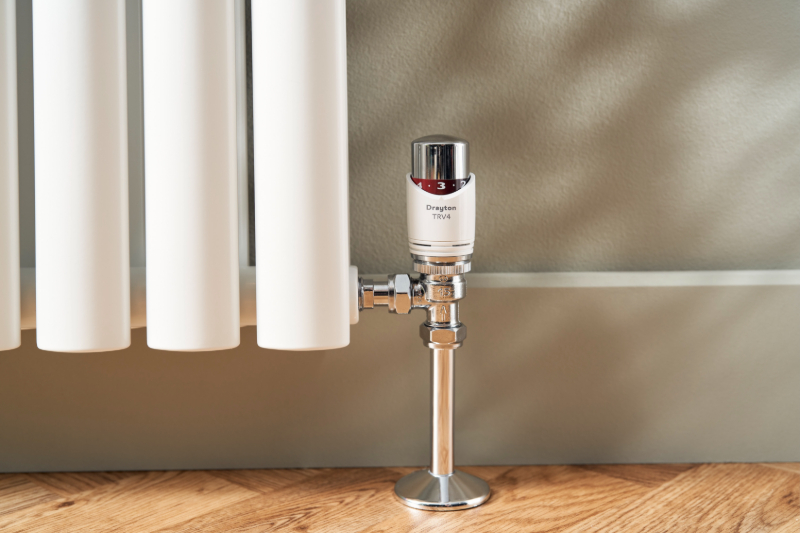
Drayton says that across the board, heating controls, such as those offered by the company, provide significant carbon reductions, with TRVs one of the most cost-effective ways for UK households to cut carbon emissions and minimise energy bills.
Nick Hunt, UK Sales and Marketing Director at Drayton, commented: “With the pressures of the cost-of-living crisis, combined with the demand for low-carbon solutions, the MACC findings demonstrate clear advantages for installers and homeowners.
“In comparison to insulation, upgrading heating controls offers a quick, low-disruption solutions. They deliver immediate benefits through reduced energy bills and improved heating comfort, with high upsell potential, particularly with auto-balancing TRVs. As more and more customers are looking for ways they can reduce their carbon-foot, implementing these heating solutions can also contribute to achieving Net Zero goals.”
Image: Drayton